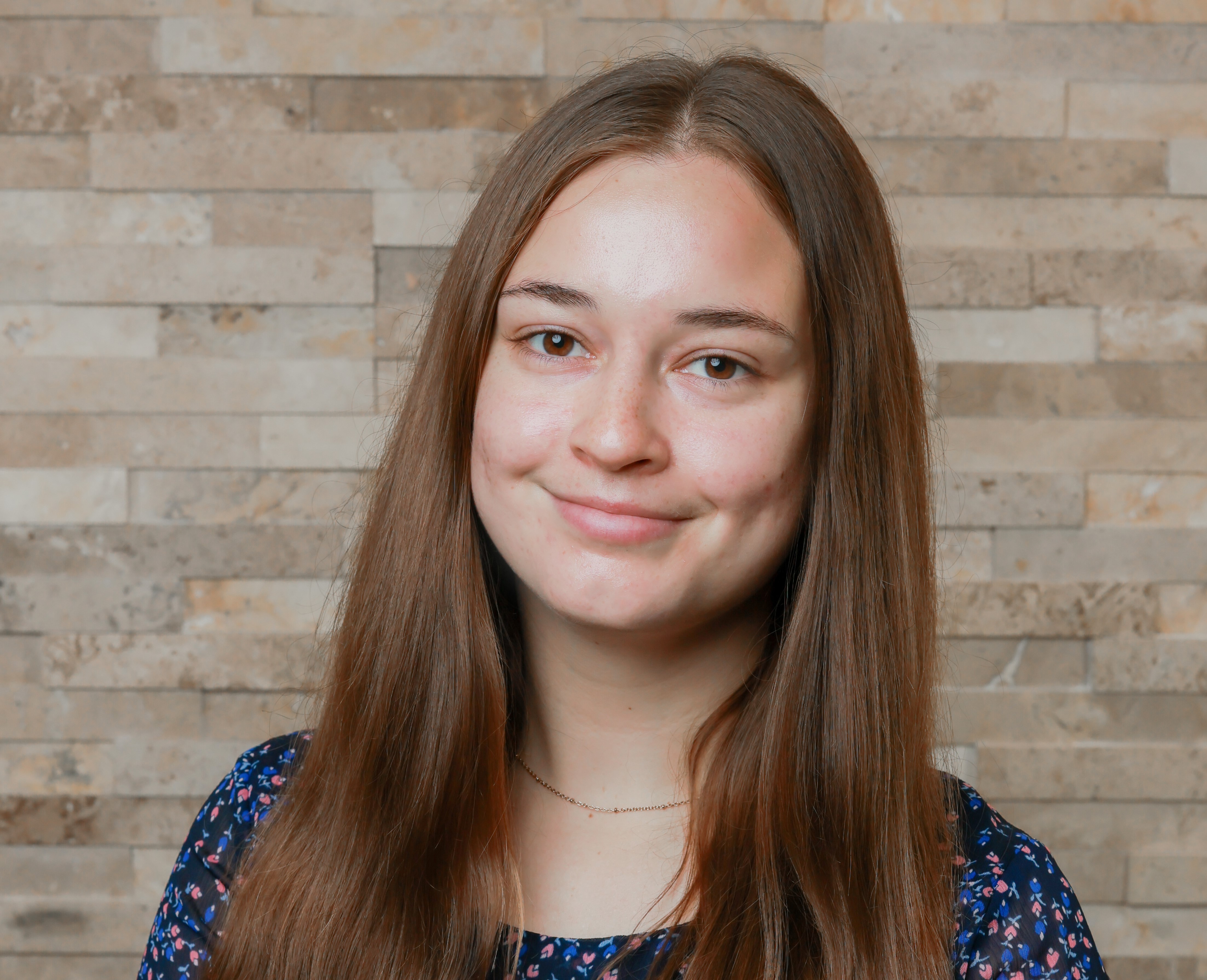
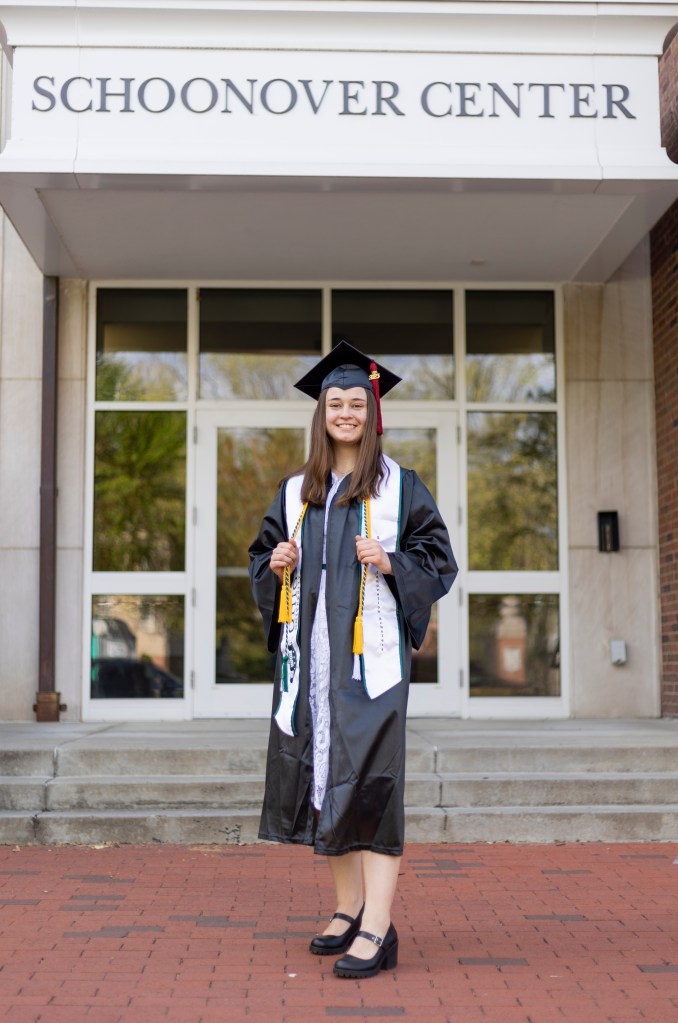
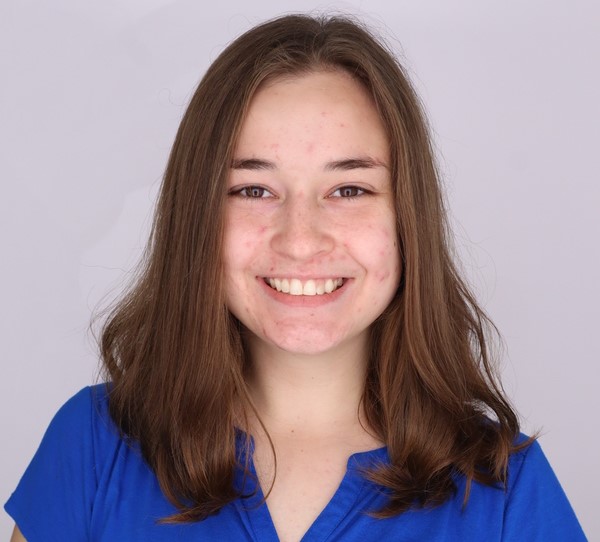
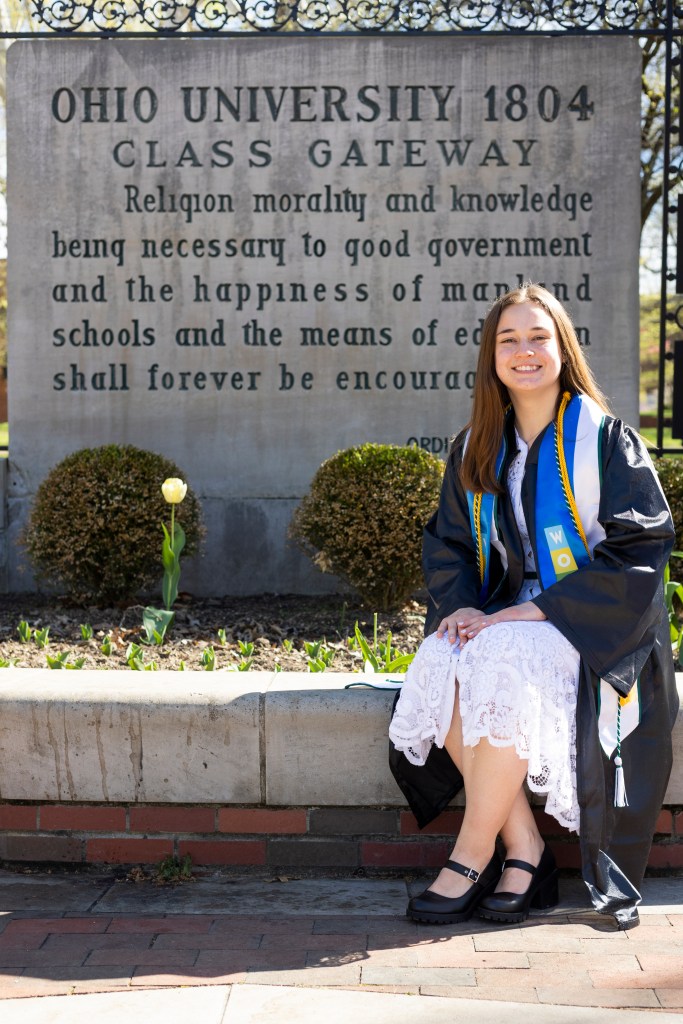
Hi there! My name is Taylor Burnette and I am a fourth-year student majoring in journalism, minoring in history and working on a certificate in podcasting at Ohio University. I am a proud member of the first cohort of Scripps Innovation Scholars, where my studies have focused on creating innovative pieces of journalistic storytelling while following the Ohio Honors Pathway of community engagement. When I’m not taking coursework focused on journalism, audio production and 20th century history, there’s a good chance I can be found in a student journalism newsroom. At The Post, I served in multiple editor roles focusing on longform stories and social media. At WOUB, I lead student podcasting in addition to running The OUtlet, WOUB’s weekly student news show. I also did three professional newsroom internships in my time as a student: one at The Ironton Tribune, one at WOUB and one at The Cincinnati Enquirer. When I’m not in a newsroom, I can usually be found working at Alden Library in the Mahn Center for Special Collections and Archives Digital Initiatives department as the social media editor, or doing my duties as the president of Light for Christ, a non-denominational Bible study group on campus.
What I’ve Done Through the Years:

While this isn’t all I’ve done, these are the experiences that are part of what I did as a Scripps Innovation Scholar and Ohio Honor Program student. It also includes a select few of my co-curricular experiences, like work at student publications and internships.
Fall 2019:
COMM 2400
In this course, we were introduced to the Scripps Innovation Scholars program, networked with communication professionals, supported young people in the area through facilitation of the YCAT project and designed individual innovation projects attuned to our interests. Regretfully, I did a podcast with a goofy British accent. However, this gave me the confidence to begin my career in podcasting.
Spring 2020:
HC 2410
In this course, we worked on group projects focused on community improvement around Ohio University’s campus. We continued despite the disruption with COVID-19, but my project focused on labeling and sanitary practices in dining halls became a bit moot when everyone was sent home in March 2020.
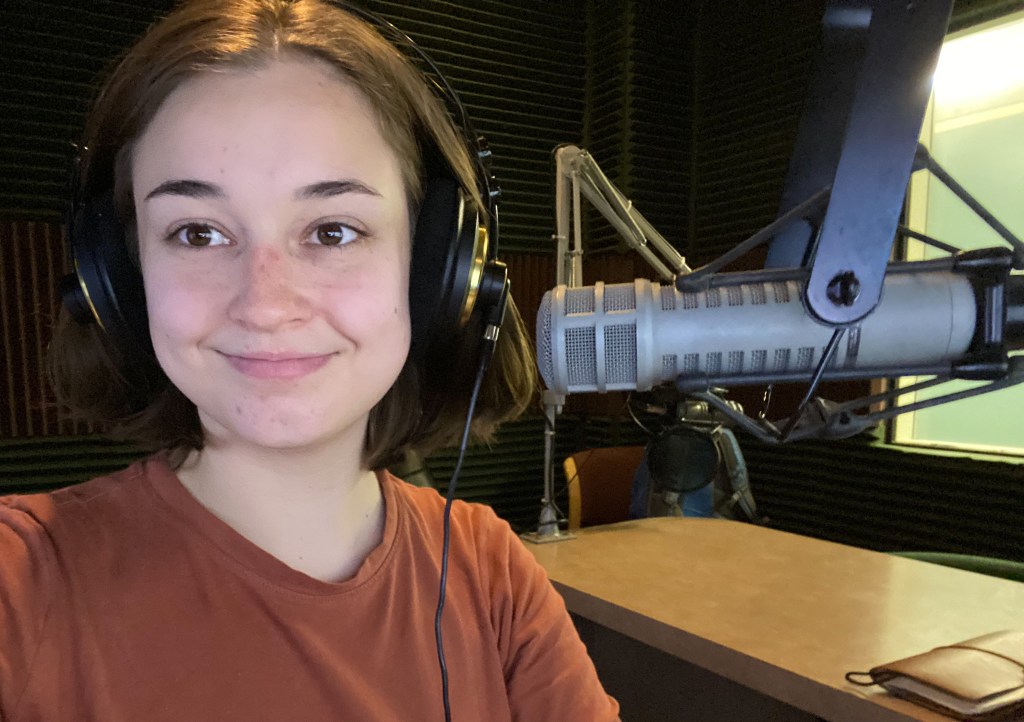
News Reporter at The Post
During this co-curricular, I worked as a news reporter at The Post, Ohio University’s student-run newspaper, where I covered a main beat of city issues and politics with additional assignments on everything from environmental issues to business openings. I also extensively covered the COVID-19 pandemic.
Summer 2020:
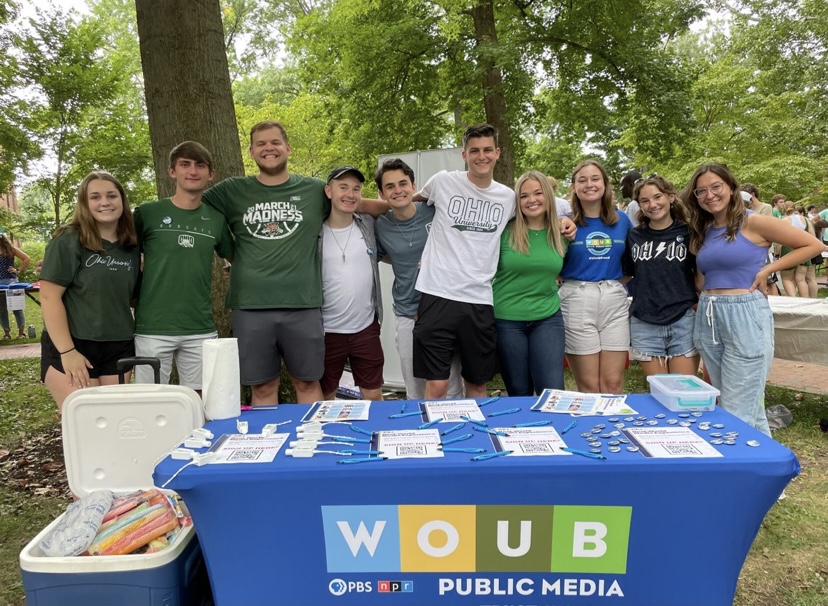
Intern at Ironton Tribune
During this internship, I worked 20-25 hours a week as a news and culture reporter in Lawrence County, Ohio. I worked mostly remotely because of the pandemic, however, I made select trips out to cover stories throughout the community. I covered everything from the Black Lives Matter rallies throughout the region to the opening of a historical home turned museum.
Fall 2020:
COMM 2410
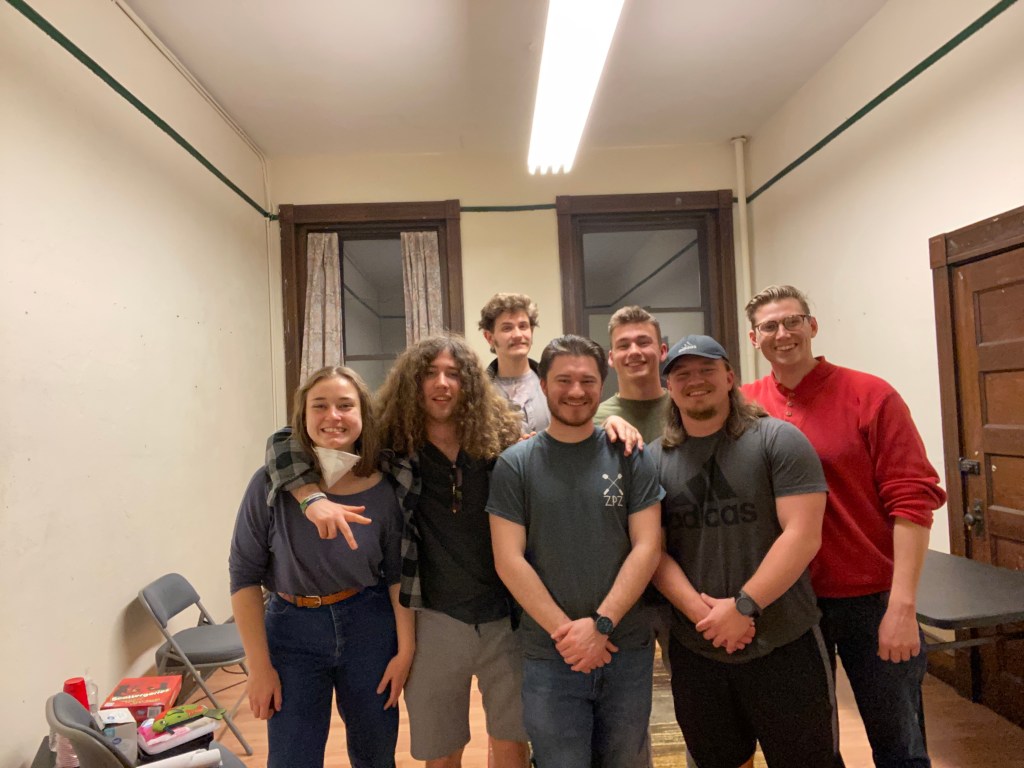
In this course, we discussed the definition of innovation and how we could be innovative. It was one of my only synchronous courses in a fully-online semester. We mentored the second class of Innovation Scholars. I remember greatly enjoying the time I spent meeting each of them.
Social Media Director at The Post
I ran a staff of 30+ people remotely, managing all of The Post’s social media presence. I also managed and created special projects. During this time, a lot of my more innovative work focussed on utilizing Tik Tok as a platform, as well as finding ways to make publishing sustainable throughout the organization.
Spring 2021:
HC 2610
In this course, I studied leadership through the Ohio Honors Program. It was a great time for reflection on how I could be a better leader in student media. Additionally, I learned a lot about how important the philosophy of leadership can be.
Athens Book Farm
I volunteered to help author, photojournalist and blogger David Labelle with his social media presence and his correspondence.
We worked greatly on reaching an older generation through social media.
Summer 2021:
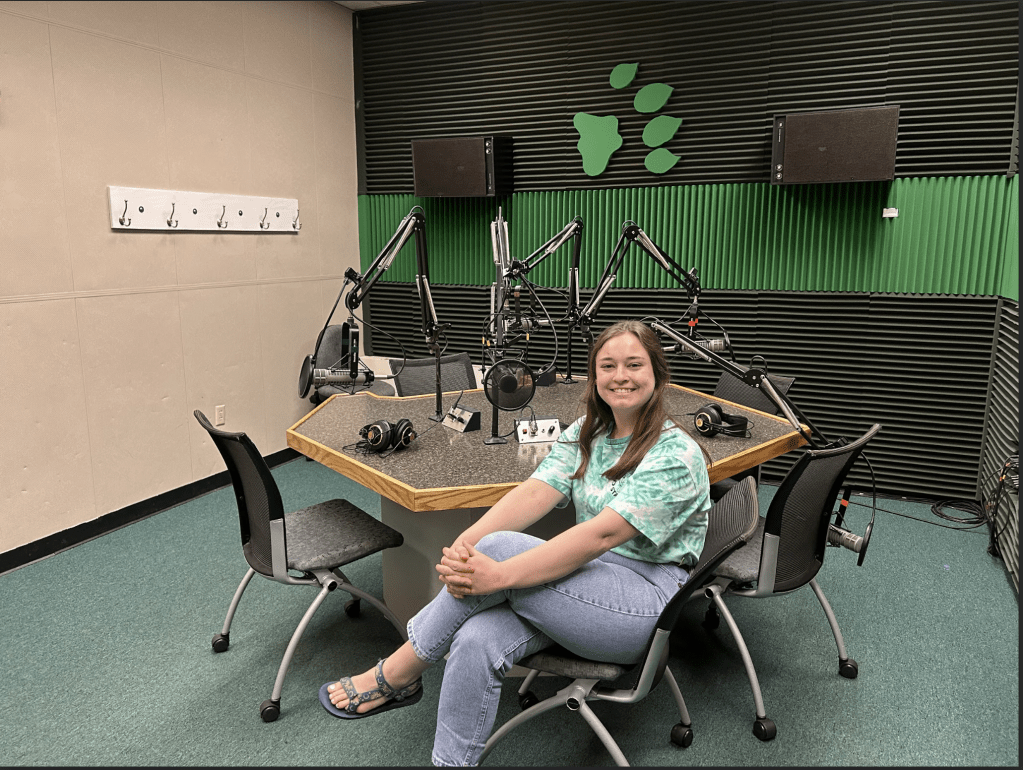
WOUB Summer internship
I worked 40 hours a week as the culture-beat reporter at WOUB, where I learned to use multimedia for the first time. I created 20+ stories that summer, ranging from festivals in the middle of the woods to blood drives.
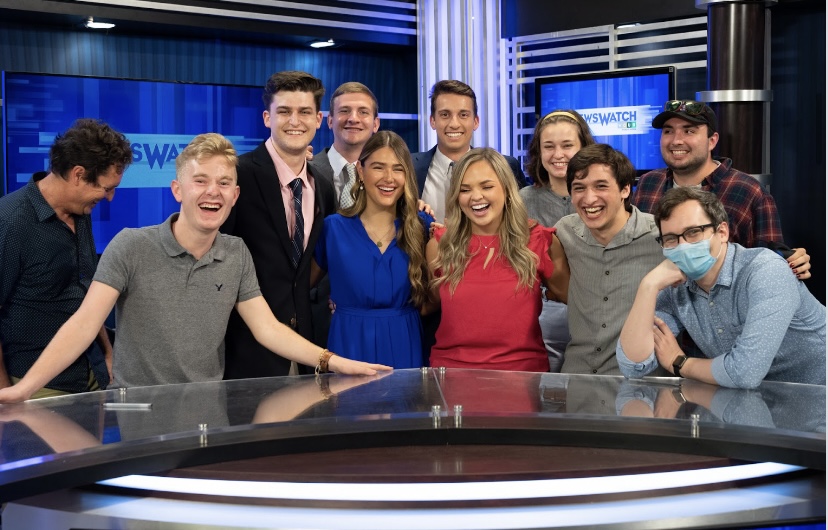
Fall 2021:
COMM 2420X
In this course we further explored the concept of innovation and pursued more in-depth and intense projects relating to our individual field. I wrote my first longform, in-depth feature piece about Nelsonville, Ohio and the census count. I pitched it to a lot of places. Sadly, none of them wanted it.
Projects Editor for The Post
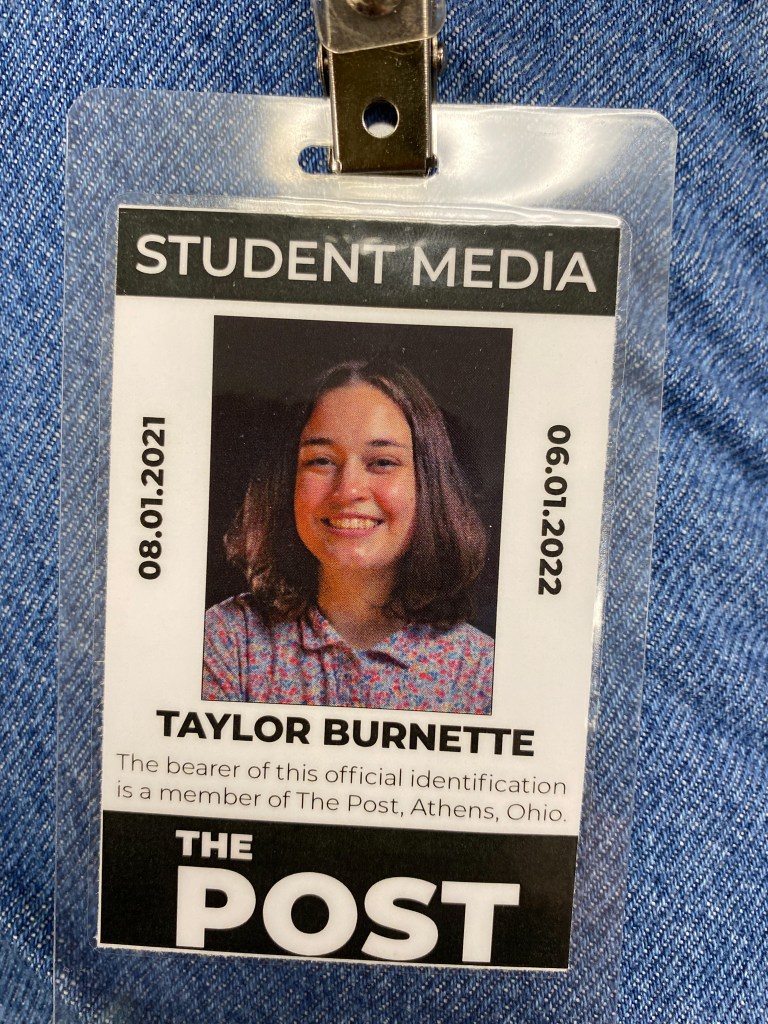
In this role I edited all of the longform stories at The Post and assisted writers in creating each piece. I also managed two senior writer positions. I worked with writers creating in-depth pieces that utilized innovative storytelling through writing styles, graphics and more. Additionally, I wrote a few stories myself that I would consider outside the realm of traditional journalism, including one about Pumpkin the Cat.
Spring 2022:
HC2930 – Independent Study

For this independent study, I did my first longform podcast about Appalachian identity and students from the region who attend Ohio University. While I did several hours of interviews and created a product I was proud of, I was unable to publish the finished piece. However, I am now (Spring 2023) working on a longer, better version of the project for my podcast capstone class called Understanding Appalachian. The series features voices form throughout Southeast Ohio. I wouldn’t have been able to do this current project without this capstone.
Summer 2022:
Intern at Cincinnati Enquirer
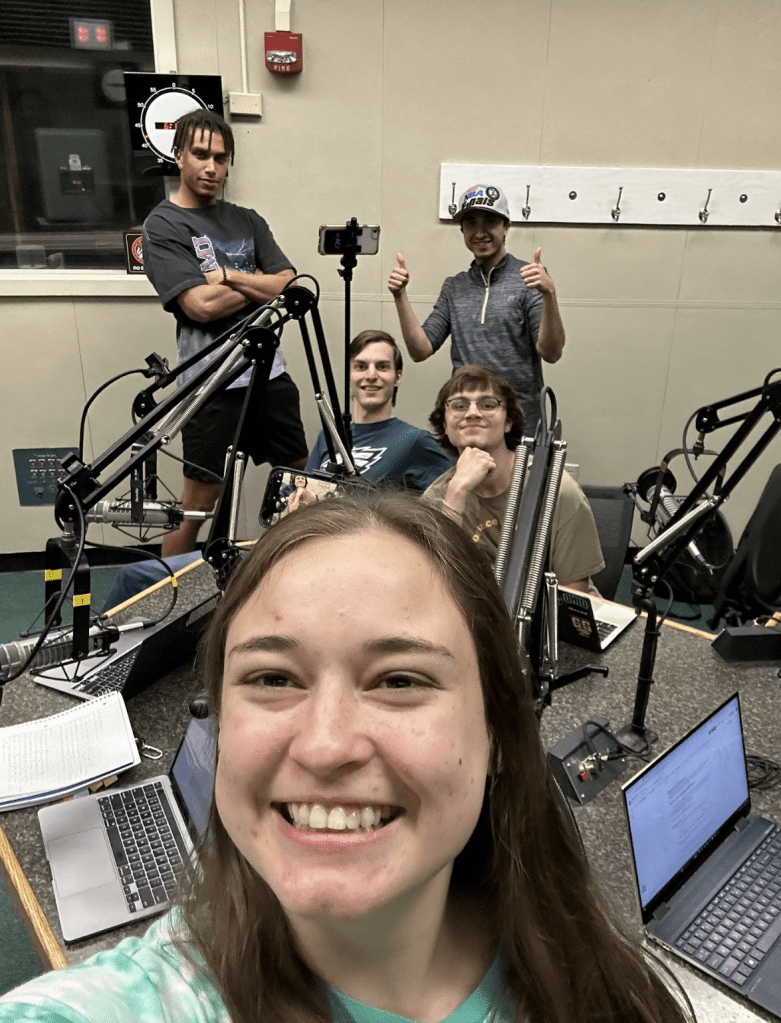
I worked 40 hours a week writing stories about entertainment in and around the metro-Cincinnati area. This includes stories ranging from quick-hit pieces about popular bands coming to town to longer feature stories about the lives of immigrants in the broader Cincinnati community. Additionally, I utilized a lot of digital elements that I had not worked with before, including quizzes and Google Maps.
Fall 2022:
COMM 3400X
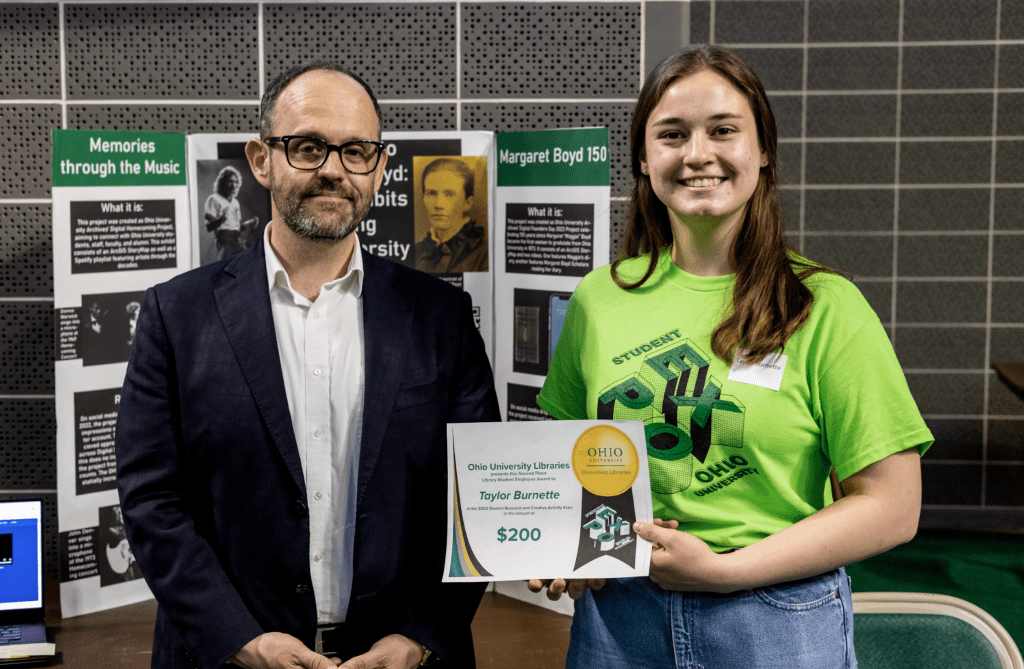
In this class, I created my Ohio Honors Portfolio and reflected on my time as a Scripps Innovation Scholar.
COMM 4023
In this experience, I learned about the intricacies of storytelling in theme parks around the world, and what makes stories effective and meaningful. This trip includes a travel component to Walt Disney World, where the class gets the opportunity to study in real-time what makes theme parks so effective.
A little more about some experiences:
Internship at The Cincinnati Enquirer:
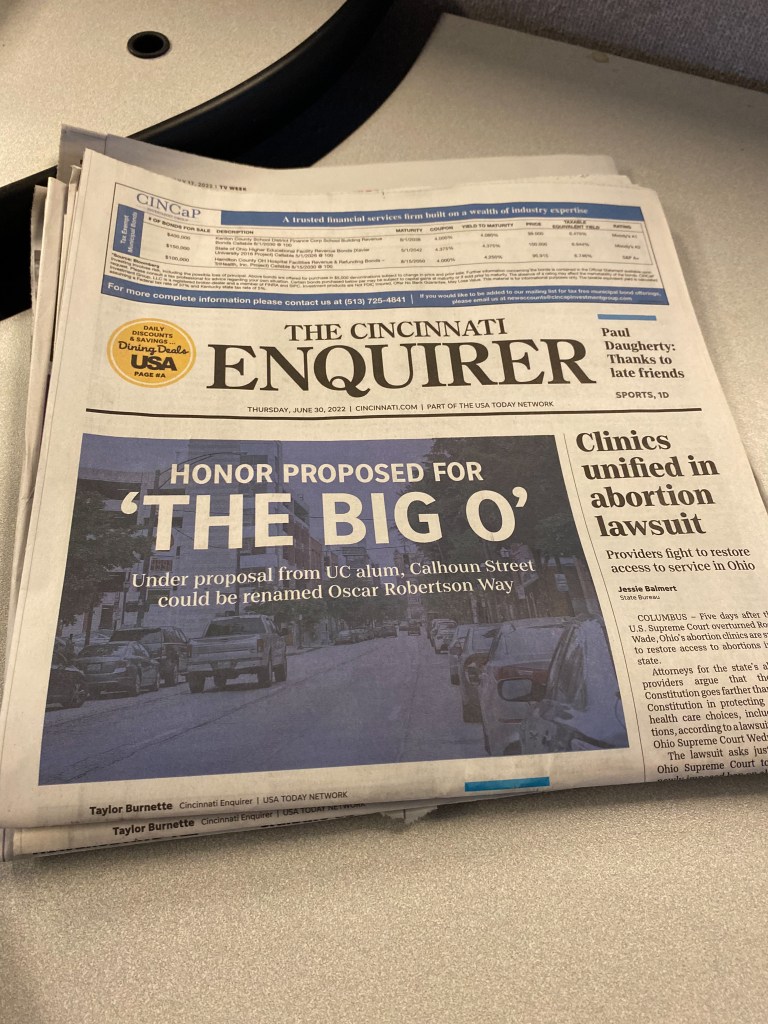
In this experience, I got to apply all of the storytelling skills I developed as a Scripps Innovation Scholar. Audio, video, narrative writing and reporting were the cornerstones of what I did during the summer. I was an intern on the Things to Do desk, meaning my stories ranged from quick write-ups about Paramore to in-depth feature stories on people and businesses throughout Cincinnati.
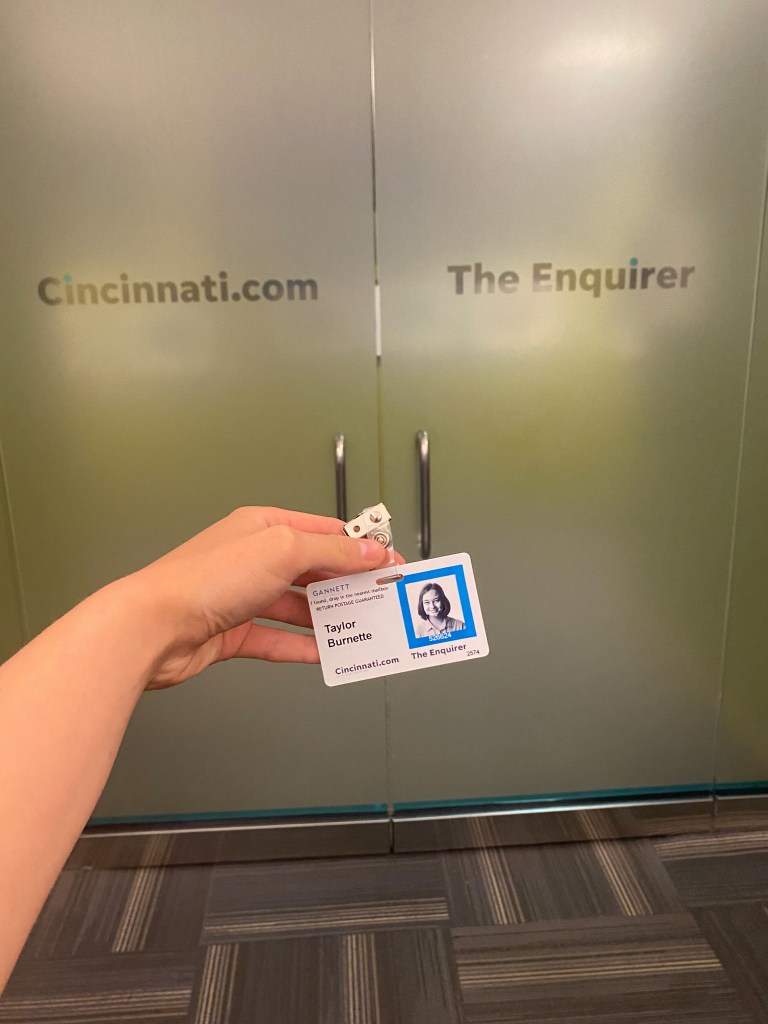
I got to do a wide variety of stories and get experiences with a wide variety of staffs across The Enquirer thanks to a very kind editor. I edited and recorded podcasts with the multimedia staff and worked with the News of Now staff on quick-flip news pieces based off search engine data and social media. I even got the chance to do fast-paced news.
Some highlights of my time at The Enquirer include writing an article about things from Joe Burrow’s hometown that aren’t Joe Burrow that garnered 15,000 views within the first few days of being online (and has since been republished several times on many platforms), discussing the News of Now and Things to Do staffs’ plans for National Chili Month celebrations and a multimedia feature piece on an art thrift store.
COMM 4023: Storytelling and Theme Parks
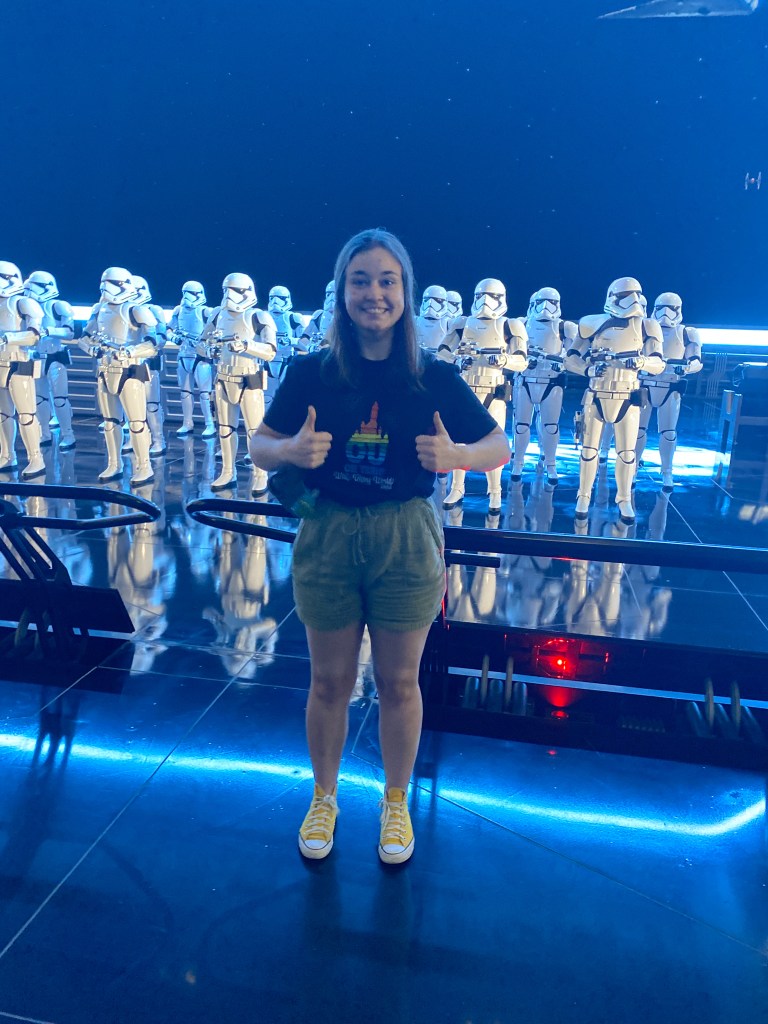
Through the fall semester of 2022, I got to explore and experience storytelling in theme parks through COMM 4023, aptly titled Storytelling and Theme Parks. The course focused on methods, innovations and efficiency in theme park storytelling, as well as a general introduction to experiential storytelling. The highlight of the class for me was the attraction-creation project, where each group in our class made a new attraction that would fit into Walt Disney World in Orlando. Florida.
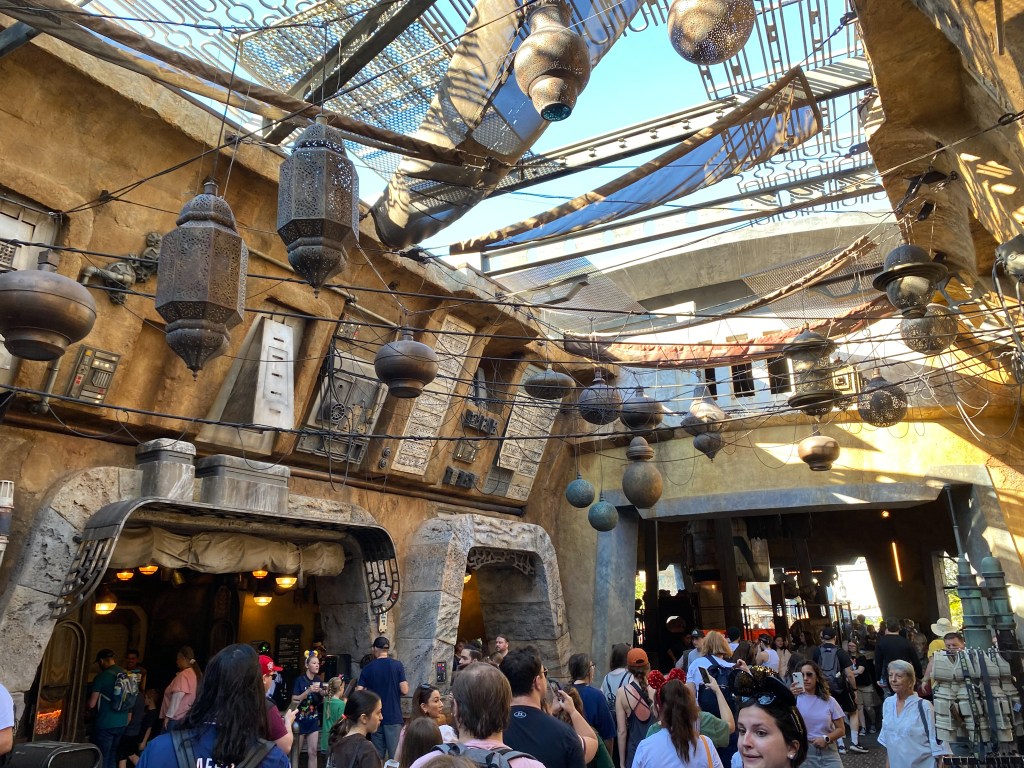
After the conclusion of the class, we traveled to Orlando to visit Disney World. Throughout the four parks, student shared presentations on certain areas and attractions, and received lessons throughout the trip. We even got to go “backstage,” behind the scenes. Being able to visit the parks in person to see what we learned about the entire semester was an incredible learning experience. Part of understanding storytelling is experiencing it, and for me this increased my skills as a storyteller in all areas.
Looking back at the past four years:
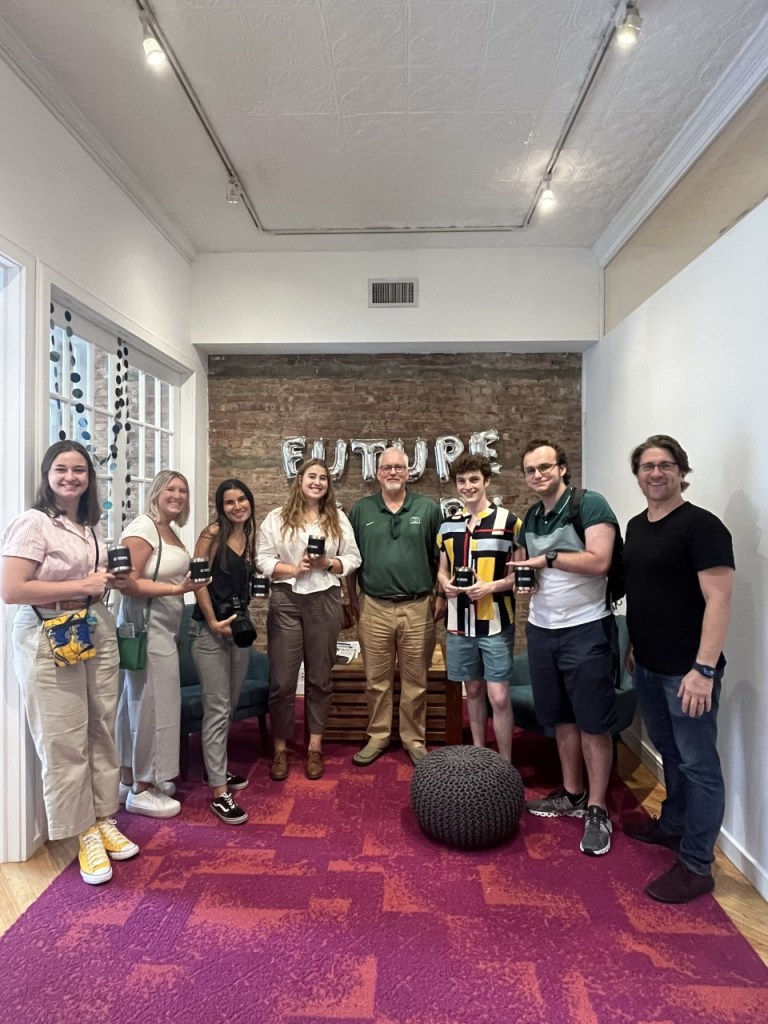
The Ohio Honors Program gave me the chance to not only go more in-depth into things I am interested in in the classroom, but outside of the classroom through co-curriculars as well. I was encouraged to do many co-curriculars, which really encouraged me to stay involved outside the classroom. I was encouraged- and credited for- the large amount of work I did as a student journalist at The Post and WOUB, as well as for my internships in the summers. I even received credit for my volunteer work that had no relation to my career nor academic goals. However, what was most monumental as part of the Ohio Honors Program, was my time as a Scripps Innovation Scholar. The program gave me life-changing opportunities to explore innovation, my chosen discipline, and who I am as a person.
My time as a Scripps Innovation Scholar helped me put more time and energy into personal projects I wanted to pursue than I ever would’ve been able to outside the program. Receiving academic credit and guidance as an Innovation Scholar gave me the extra push to go further into experimental journalistic work, including audio, video and creative narrative storytelling. I got the chance to use my creativity, and I got a chance to try out new mediums in a stress free environment.
The course also helped me create connections with five very smart, innovative classmates, and having their presence in my life as a student has been invaluable. The program supported a very solid balance of individual work and cohort collaboration, if not on projects, in feedback and camaraderie. It was also a great benefit to have peers in different disciplines than I am in, as we were able to swap ideas and concepts. While I greatly value, and am very thankful, for all of these things, what I am most thankful for in my time as an Innovation Scholar has been getting permission to fail.
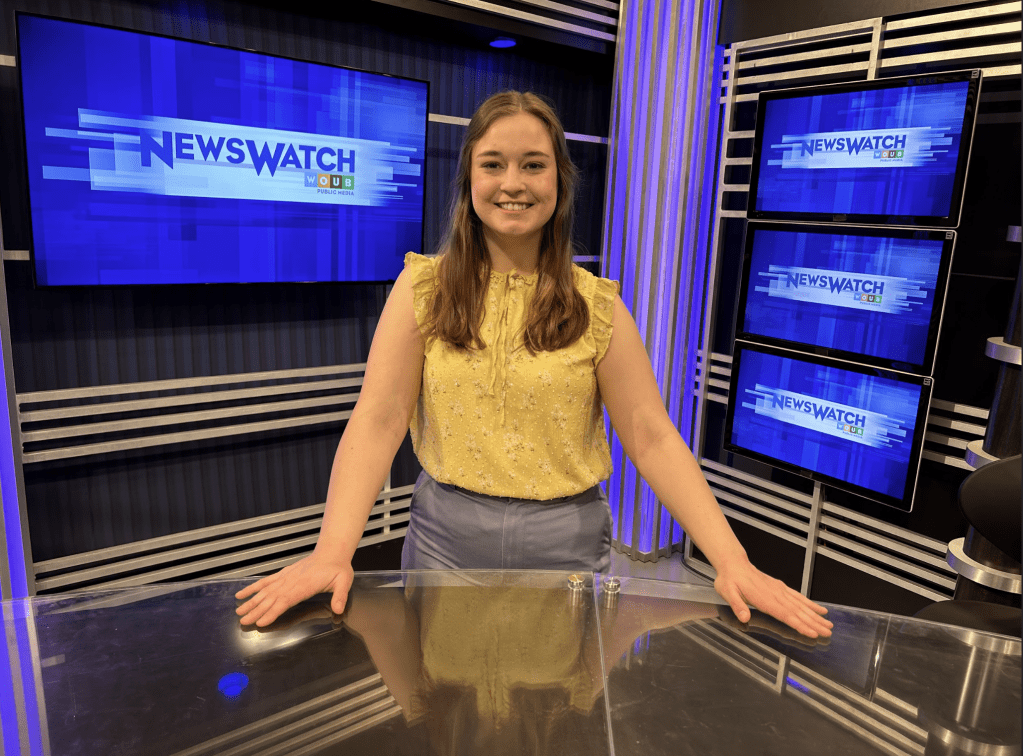
I am a proud perfectionist. I like my work to come out nice and neat, always ready to go. But Scripps Innovation Scholars helped me learn one of the most valuable lessons of my career very early in my time in media: that isn’t how media works. Ethically and morally, you must be a perfectionist. But storytelling, formatting, content? Those all can, and should, be experimented with. Innovation is built upon the staircase of failure. If you never try new things, new things will never succeed. And with years of personal projects, some very good, and some very bad, I got to experience that firsthand before I hit the real world. This experience counteracted some of my more traditional journalistic training, giving me a perspective outside of the strict side of the craft. Grading for SIS courses was based on effort put in, which was really important to me because I liked keeping a relatively high GPA. So not only was I given support to try new things and fail, I was able to do so in a welcoming environment without repercussions and full of valuable feedback.
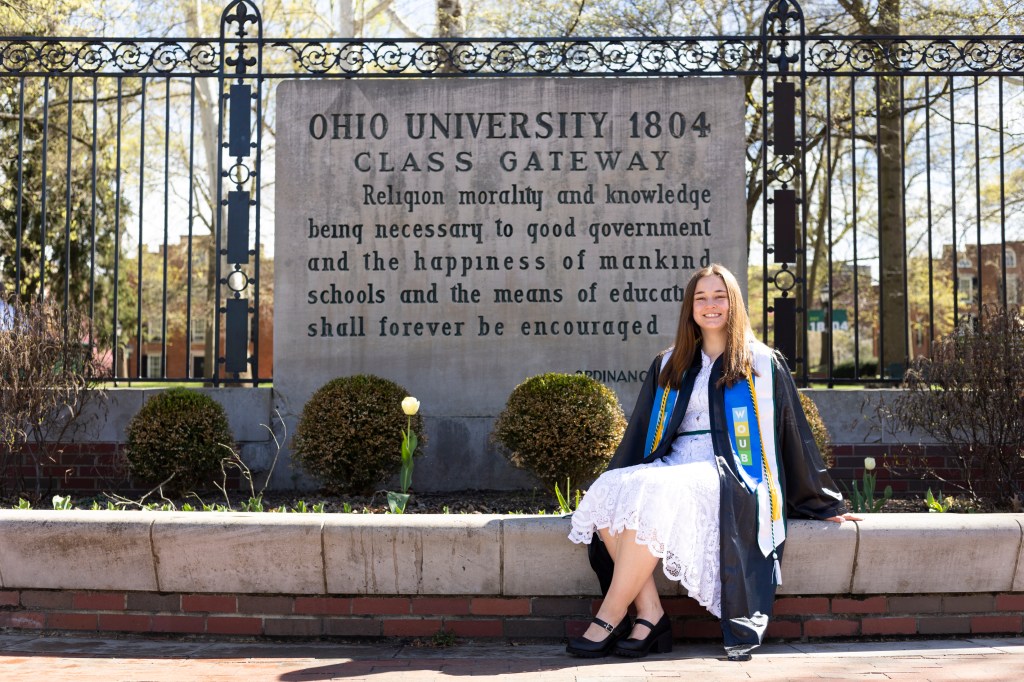
 Taylor Burnette